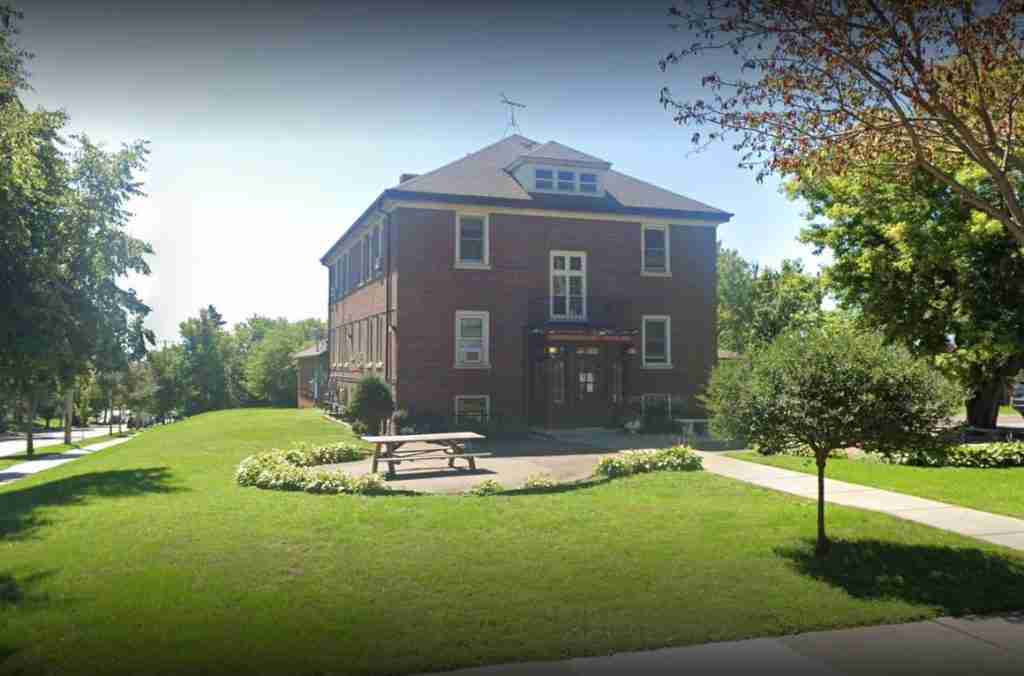

A woman who had suffered a stroke, was blind in one eye and mostly blind in the other transferred from a nursing home to Golden Nest Assisted Living in northeast Minneapolis. Her second-floor room was 20 feet from the front stairs.
Two days later, in September, 2024, she was found at the bottom of those stairs, unresponsive. She died at the hospital three hours later. State officials said in a recently released report that Golden Nest was at fault; the woman should not have been walking alone.
It is the third time Golden Nest has been cited in a resident’s death. In 2018, a woman with dementia wandered outside in the cold and died. In 2017, a resident fell and was left bleeding on the floor for four hours.
Yet, for Minnesotans searching for information about facilities for a loved one, reports about those incidents are no longer on the state Department of Health’s website. In an email, agency spokesman Garry Bowman said reports are removed after “7 years for substantiated findings, 4 years for inconclusive findings, and 3 years for not substantiated findings per state statute.”
While state law allows the records to come down, advocates say the difficulty of tracking incidents is another example of a blind spot in Minnesota’s lack of accountability. State officials acknowledged they don’t keep a tally of assisted living and nursing home deaths due to negligence.
“It’s just such an atrocity and they keep happening,” said Kristine Sundberg, executive director of Elder Voice Advocates, a Minnesota coalition of elders, adults with disabilities and their families. “And for-profit, small providers are trying to reduce the oversight that assisted living licensure requires. How do you do that and still keep people safe?”
Golden Nest administrator Hongjoo Lee didn’t responded to multiple phone messages seeking comment from the Minnesota Star Tribune.
In response to the 2018 death, Lee told the Minnesota Star Tribune then that she didn’t agree with the state’s finding of neglect. But she said she missed the deadline for appealing the findings.
The for-profit company has two facilities: assisted living in the 1900 block of 19th Avenue NE., and a residence in the 6700 block of Emerson Avenue in Richfield.
Eilon Caspi, an elder mistreatment researcher and Elder Voice board member, has been downloading reports from the state Department of Health and loading the data into a free tool, Elder Care IQ.
There, people can track neglect cases in care facilities. So far, Elder Voice Advocates has found more than 50 substantiated reports of neglect in Minnesota long-term care facilities in 2023 and 2024 — including more than 26 deaths.
Caspi cited a number of examples where department investigators found neglect of supervision by assisted living facilities.
While these reports are public and searchable, Caspi said the state’s system is “difficult to navigate.” And even if people find incidents of neglect, they cannot find more than one at a time.
Gaps in the system, including cases that do not show up during appeal, are some of the reasons why even newer findings might not show up, Caspi said.
“Half the states don’t even post completed investigations online,” Caspi said. “Sometimes, you can find a single paragraph summary.
State lawmakers have called for better ways to track data.
Source: Minnesota Star Tribune