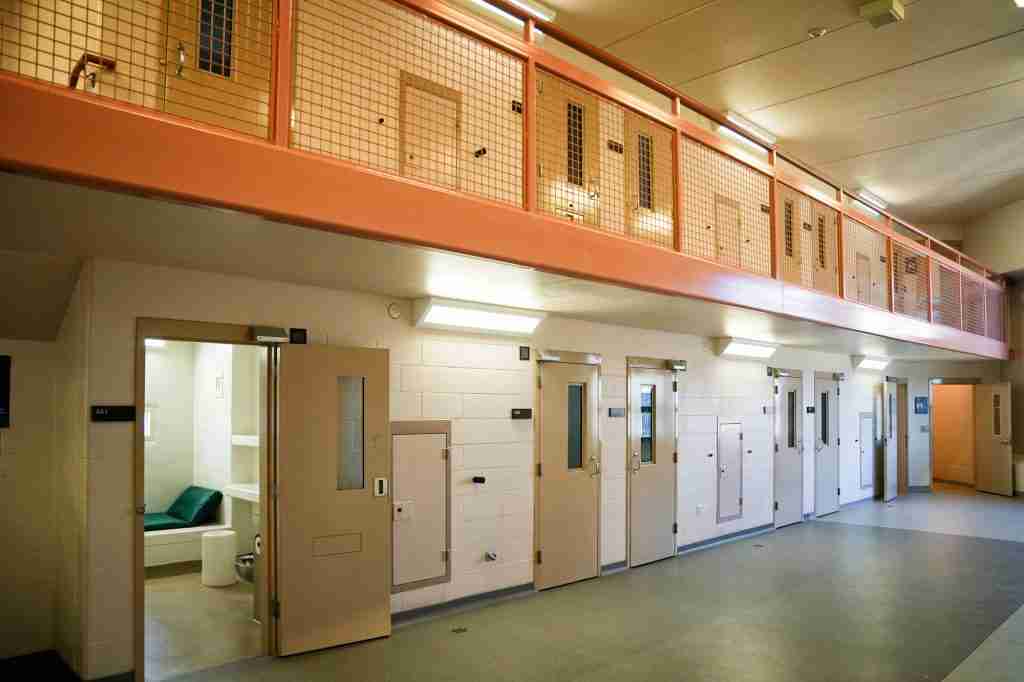
Young people are being locked up for weeks at a time in juvenile detention because of a lack of secure residential facilities.
Across the state, child welfare advocates say they cannot find adequate, timely rehabilitative services for the kids who need them the most.
So Minnesota children with complex mental health needs—often those who also have a history of aggressive behavior or low IQs—languish in juvenile detention and emergency rooms, are transported to out-of-state facilities or sent home to family members incapable of managing their severe behavioral disorders. The situation has reached a crisis point in Hennepin County, where at least 21 youths have been ruled incompetent by the court this year, stalling pending delinquency cases and preventing accountability through the juvenile justice system.
Psychiatric residential treatment facilities (PRTF) serve kids with complex mental health needs, but they can’t meet demand. This small subset of minors is responsible for a disproportionate number of cases in Minneapolis, police and prosecutors agree, fueling a cycle of catch-and-release exacerbated by the dearth of placement options.
Although the number of kids entering the juvenile justice or social services systems with complex needs has grown in recent years, the number of licensed residential treatment facility beds for children has shrunk by more than a third since 2005.
Few new ones have emerged to fill the gap for juveniles who require the kind of intensive therapy not available through community-based programs, or those who have absconded from lower-level facilities.
“I will be blasted for this, but sometimes you are hoping the kid commits a crime because then there’s a place for them to go where you’re not worried where they’re going to sleep tonight,” said Benjamin Stromberg, an assistant St. Louis County attorney whose office handles child protection and juvenile delinquency cases. “Nobody wants these kids in detention — we all understand that. But sometimes it’s the one place where they are not going to be hurting anybody or hurting themselves.”
Psychiatric residential treatment facilities, known as PRTFs, are one step below hospitalization and are supposed to take children with severe aggression, who present a safety risk to themselves or others. This year 281 young people were referred for placement in the four such facilities in the state, according to Department of Human Services (DHS) data, but only 66 got in.
(Source: Star Tribune)