

A unanimous Minnesota Supreme Court ruling earlier this fall highlighted the state’s ongoing dilemma over the lack of available bed space for criminal defendants found to be mentally ill and unfit to stand trial.
The opinion determined that counties are responsible for the legal fees of defendants who file petitions to force the state to place them in a treatment facility. The justices recognized this will place a financial burden on counties across Minnesota. While state government controls who gets placed into treatment facilities, the lack of available beds has left counties housing mentally ill people who are incompetent to stand trial. Lawyers for those defendants fight to get them into treatment facilities, where they are legally obligated to be housed.
Even when counties and district court judges agree that a defendant should be in treatment, they have been told, time and again, that district courts have no authority to force the state to place people who’ve been found incompetent to stand trial.
The Supreme Court opinion highlighted the legislature’s role in this problem and likely responsibility to solve it.
Scott County Attorney Ron Hocevar, whose case was at the center of the Supreme Court ruling, said he disagreed with the opinion but thought the court zeroed in on the larger issue.
“For the state to make us pay for something we have absolutely no control over I think is going to be a huge burden,” he said. “The legislature has to deal with this, as far as what to do with people who are committed. The facilities we have are completely inadequate. They know it. Everyone knows what the issues are. They have to take care of it.”
Hocevar said the county is often trying to help a defendant who is mentally ill and in need of treatment, but “in limbo” awaiting placement.
The Scott County man whose case brought the Supreme Court opinion assaulted hospital staff in 2022 during a mental health crisis. He was found incompetent to stand trial.
A month after that finding, the man remained in county jail and his attorneys filed a motion to force the state to place him in a treatment facility, a legally obligated duty for people “imprisoned or otherwise restrained of liberty.” These petitions are known as “extraordinary writs.” After the petition was filed, the man was transferred to a treatment facility.
The wait time for high priority placement of mentally ill patients at the state’s Forensic Mental Health Program at St. Peter was 527 days in the fourth quarter of 2024. The wait time for high priority placement at the Anoka Metro Regional Treatment Center was 33 days.
Minnesota law requires that a person determined to be mentally ill and incompetent to stand trial be placed in a treatment facility within 48 hours.
Minnesota Sen. Jim Abeler, R-Anoka, said the state is in the midst of a four-year pause of that law after Attorney General Keith Ellison requested it because of bed shortages. Placement is now dictated by bed availability.
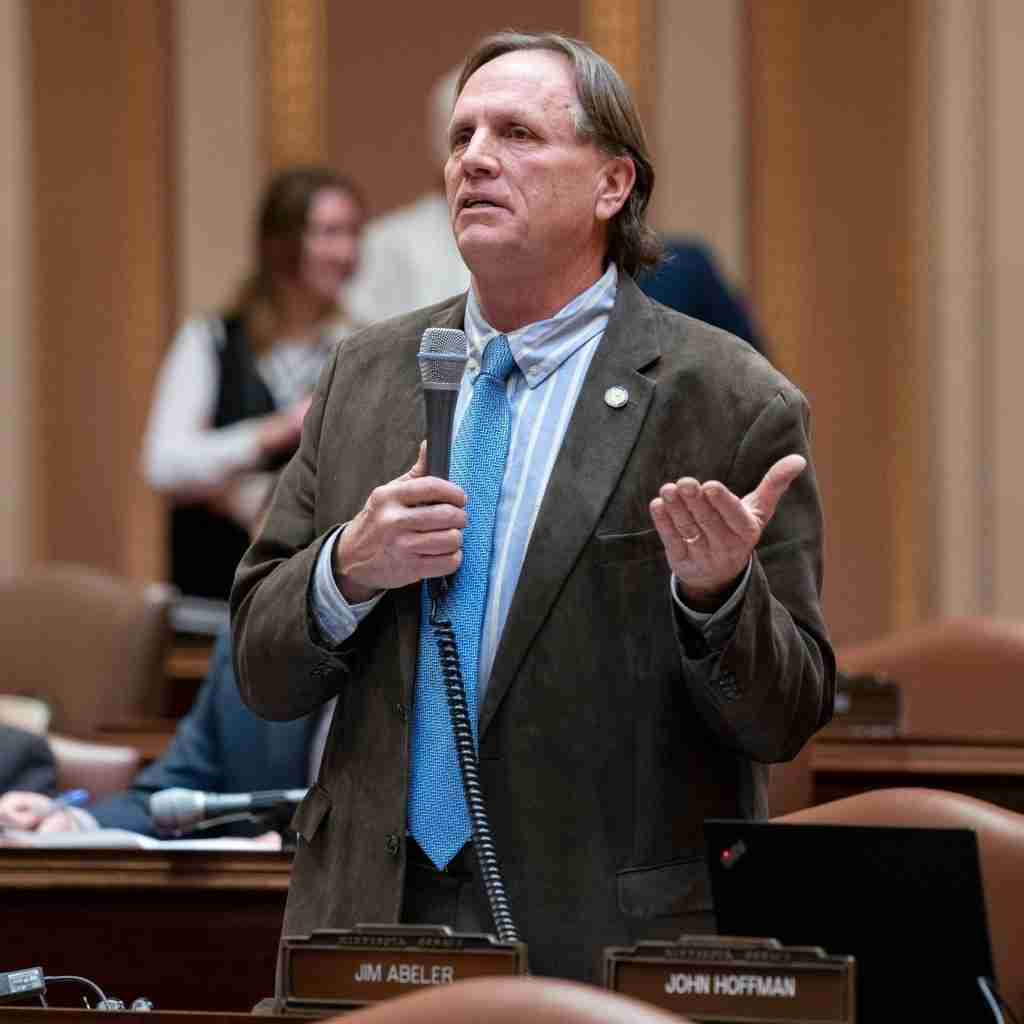
Abeler and a group of legislators led a fight to get $75 million allocated for additional treatment beds this year. He argued that state leaders, including Gov. Tim Walz, have failed to come up with a long-term plan, despite broad bipartisan agreement at the Legislature.
“This is a state problem they’ve neglected,” Abeler said.
He felt that the Supreme Court opinion was direct about the specific legal argument concerning payment, but the issue of bed availability is “the end of the line on a problem the state has refused to address.”
Source: Star Tribune